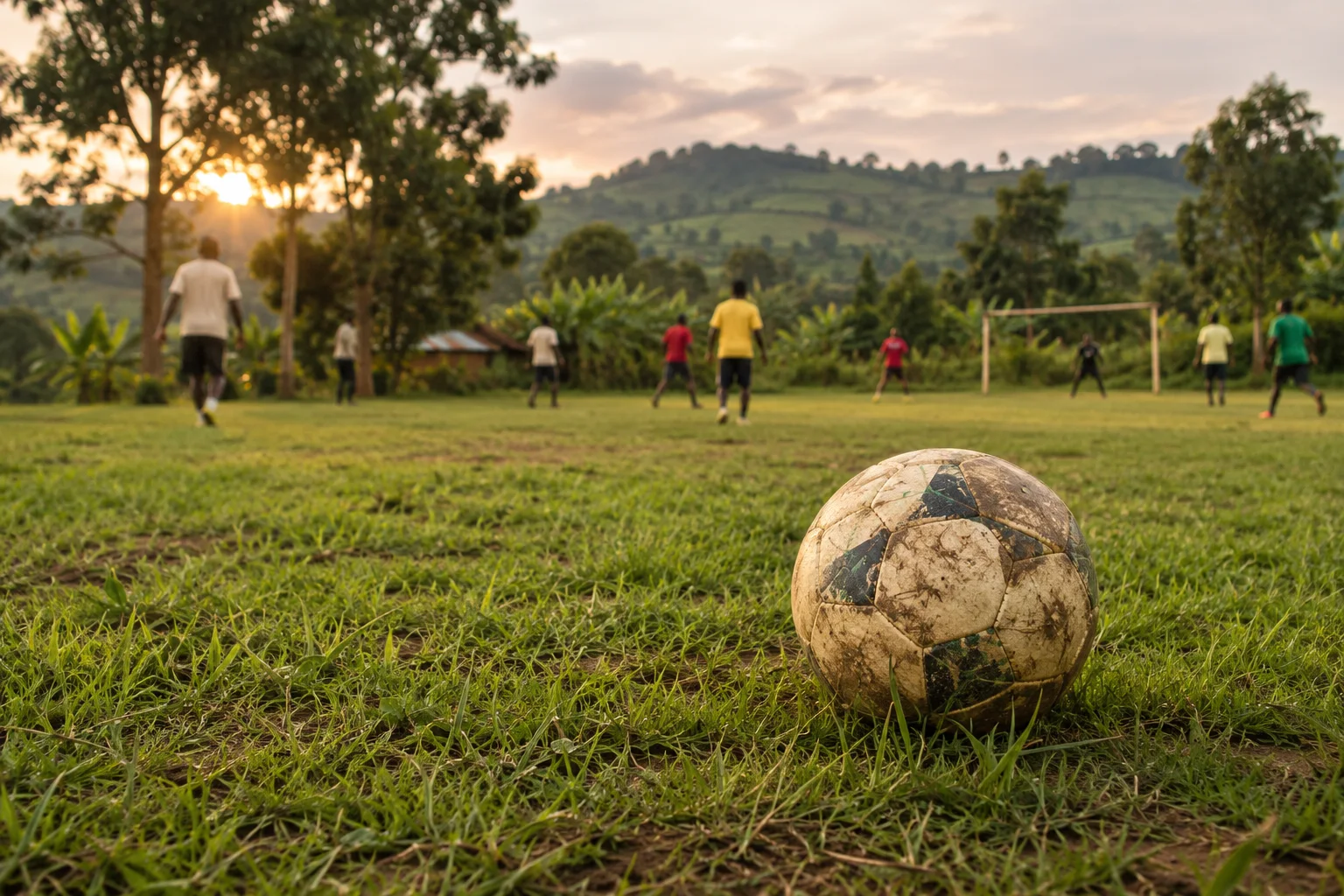
A constituency is experienced through more than public projects. Teams, schools, cultural activities, faith communities and voluntary associations create places where people meet, contribute and develop interests over time.
The supplied archive describes local football engagements, school sports, special-school activities and community occasions. It includes an account of a church Family Sunday on 1 November 2026. These accounts provide starting points for discussing the conditions that sustain participation.
These engagements can be documented on their own terms, with accurate dates and partner credit. They also invite a wider discussion about how public leadership can support community life without turning every institution or gathering into a campaign platform.
MWONGOZO WA KUSOMA
Ni nini kinachodumisha ushiriki?
- MatukioKutambua mafanikio na fursa za kukutana
- Shughuli za kawaidaMazoezi, usimamizi na mwendelezo
- Maeneo ya pamojaUpangaji wa haki, ufikiaji na matengenezo
Give talent a pathway to develop
A trophy or a competition can recognise effort and create an occasion for participation. Sustained development also depends on practice, capable instruction, suitable facilities and opportunities to progress.
Before proposing support, organisers should identify what participants and coaches actually need. It may involve equipment, access to a venue, transport for a confirmed competition or training for volunteers. Different activities will require different arrangements.
Talent programmes should explain their purpose honestly. Participation can be worthwhile without a promise of professional employment or a scholarship. Where a specific opportunity is offered, the provider, conditions and selection process should be verified.
Make access fair across activities
Visible teams can attract support while smaller or less prominent activities struggle to be heard. A useful process would examine participation and access across different sports and cultural forms, with criteria that can be explained publicly.
Persons with disabilities should be involved in shaping accessible participation. Their activities need the same attention to coaching, equipment, transport and continuity, alongside any specialist support required.
Reports of special-school athletes in the archive should preserve the distinction between qualification, planned travel, participation and results. A proposed trip is not evidence of a completed competition, and recognition should follow verified information.
Put safeguarding into ordinary organisation
Activities involving children need clear responsibilities, appropriate supervision and arrangements for concerns to be raised. These should be established before a programme begins.
Permission for participation and permission for publicity should be handled separately. Children should not lose access to an activity because a parent or guardian declines a photograph. Public accounts should avoid unnecessary personal information.
Volunteers also need a defined role. Good intentions alone do not establish competence to coach, supervise or handle sensitive concerns. Organisers should identify where training or professional support is required and plan accordingly.
Respect the independence of community institutions
A leader’s attendance at a church, cultural event or sporting occasion does not establish that the institution endorses a candidature. Public reporting should make the nature of the visit clear and avoid assigning collective political preferences to participants.
Support should respect the organisation’s own governance. A community initiative may welcome assistance while maintaining its independent purpose and membership. That relationship can be explained without turning the activity into a test of loyalty.
For the reported Family Sunday, a factual account can recognise the occasion and the community’s own plans. It should not describe proposed facility improvements as completed works or attach a funding commitment that was not documented.
Treat culture as a living practice
Cultural activity can include language, music, performance, local history and the work of people who preserve and develop those forms. Useful support begins by listening to practitioners and organisers about their priorities.
Documentation should respect ownership and consent. A photograph, recording or performance may involve rights and community expectations that need to be understood before publication or reuse.
Commercial opportunities can be considered where appropriate, but they require a clear arrangement for payment, credit and control. Cultural participation should not be valued only through the number of visitors or sales it might generate.
Maintain the places where people gather
Facilities create continuing responsibilities. A playing space, hall or other shared venue needs an owner or manager, suitable access arrangements and a maintenance plan.
Users should understand booking rules, charges where applicable and how competing requests are resolved. Clear arrangements help protect access when an influential organisation or individual seeks preferential use.
County responsibilities include sports and cultural activities and facilities, alongside relevant national roles. [1] An MP could help bring documented needs to the appropriate institutions and convene partners, while respecting the authorities and organisations responsible for delivery.
Give disagreement and diversity room
Community life includes different beliefs, affiliations and preferences. A public programme should allow people to participate without implying agreement on politics or other matters.
Meetings and events should therefore have a clear purpose. Organisers can distinguish a service activity, an institutional celebration and an explicitly political occasion. Participants deserve to understand the setting they are entering.
This clarity supports trust. It allows institutions to collaborate where useful while retaining their independent voice, and it avoids treating attendance as evidence of support for a particular candidate.
A large occasion and a regular programme have different costs
A well-organised tournament can bring people together and recognise achievement. Regular coaching or rehearsal may offer fewer photographs while creating more opportunities to practise. A shared venue can serve several activities, but its booking rules may determine who benefits most.
These options should be compared with participants and organisers. A programme might combine occasional events with dependable weekly activity, provided the staffing, supervision and maintenance are feasible. Support should explain whether its purpose is broad participation, skill development, competition or cultural preservation; those goals call for different measures.
There is also a legitimate choice about commercialisation. Ticket sales or sponsorship may support an activity while changing access, publicity expectations or control over recordings. Practitioners and participants should help decide those terms. Their interest in preserving a shared practice or simply enjoying an activity should carry weight alongside possible revenue.
Follow participation beyond the occasion
Useful measures could include regular participation, access to safe facilities, continuity of coaching or instruction, and the handling of concerns. These should be gathered proportionately, without collecting unnecessary personal data.
Funyula’s sport, culture and community discussion can then focus on what people can continue to do: develop an interest, use a shared space, contribute to an organisation and participate with dignity.
Public reporting can recognise individual engagements while explaining the practical conditions that sustain community activity. Recognition has a place, and so does the quieter work that makes the next gathering possible.
Further reading
[1] Kenya Law Reform Commission — Fourth Schedule: County functions, with the Constitution’s national functions.