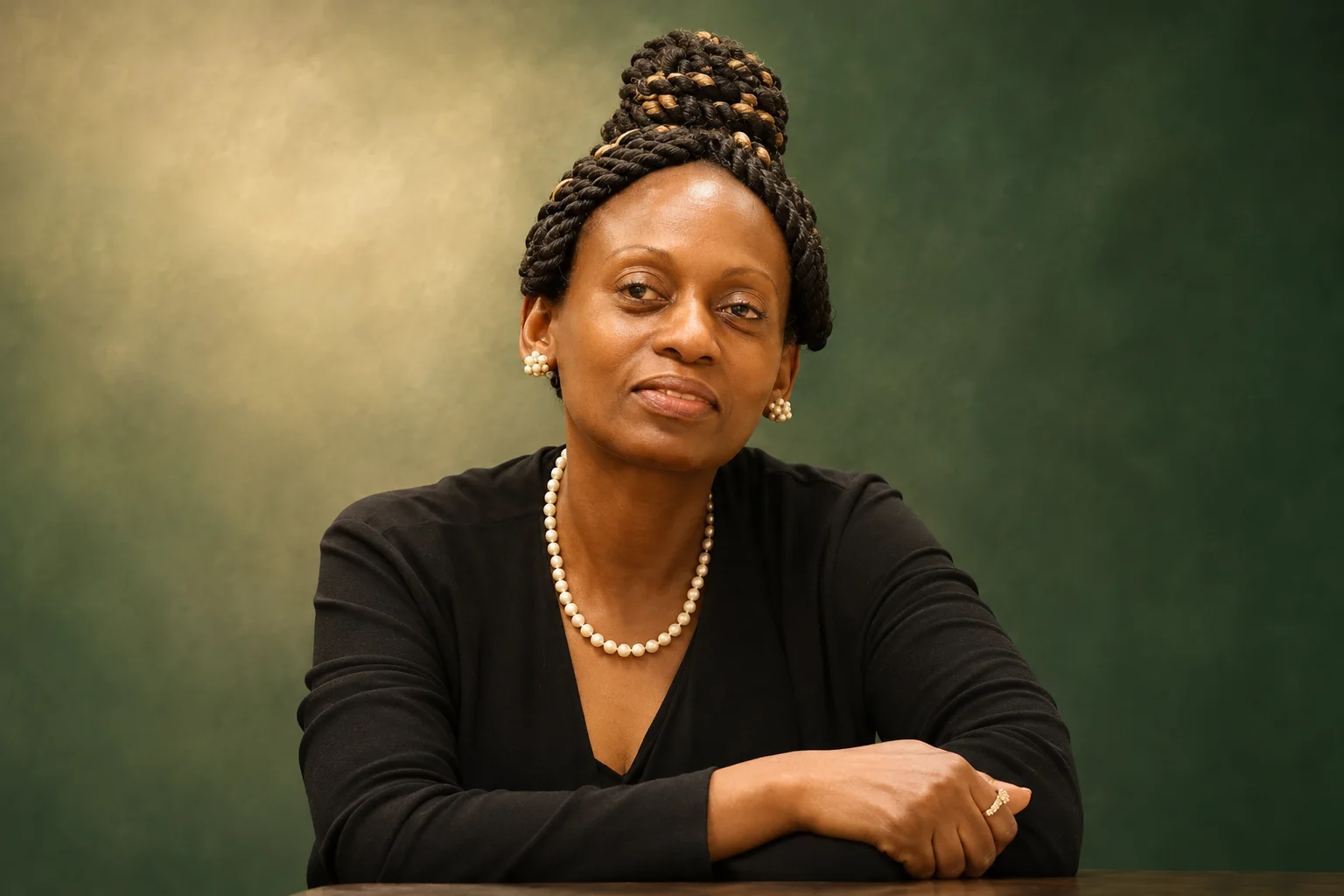

An account shared in the supplied archive describes an engagement at Alema on 30 October 2026 concerning awareness, education and services for persons with disabilities. It raises questions extending beyond the occasion: what support is accessible, who determines its design and how does it remain useful?
The engagement provides a starting point for a wider discussion. Its full service details and follow-up still require confirmation with organisers. It should not be used to imply unverified beneficiary numbers or outcomes.
The question it raises is substantial: how can inclusion become an ordinary feature of education, services, livelihoods and public participation across Funyula?
MWONGOZO WA KUSOMA
Fuatilia njia nzima ya kupata huduma
- Pata taarifaMiundo inayotumika na maelekezo wazi
- Fikia hudumaUsafiri, njia na kuingia
- ShirikiMawasiliano na msaada unaofaa
- EndeleaMatengenezo, maendeleo na maoni
Begin with the person’s own priorities
Persons with disabilities have different experiences, preferences and support needs. A single event format or service model cannot be assumed suitable for everyone.
Consultation should therefore involve people directly, using communication methods they can access. Caregivers and professionals can contribute valuable perspectives, while respecting the person’s own voice, preferences and autonomy.
The Constitution’s disability provisions address dignity, education, access and appropriate communication. [1] Those principles provide a foundation for examining how everyday arrangements work in practice.
Follow the complete route into a service
Accessibility involves more than entering a building. A person may need to find information, arrange transport, communicate with staff, understand instructions and use the service itself.
A practical review could follow that whole route with users. A physical alteration may be essential, while communication, signage or service procedures may also need attention. Requirements should be established with appropriate expertise rather than through a standard checklist used without consultation.
Planning before procurement can help. Equipment, materials and websites should be assessed for usability before they become fixed parts of a programme. There should also be a way to report an access barrier and learn what action follows.
Treat education as participation and progression
School support should examine whether learners can participate in teaching, activities and the next stage of education. Suitable materials, staff support, facilities and transport arrangements may each matter in a particular setting.
Individual school engagements can illuminate needs without describing the full education system. A visit, an item of support or a sports activity should retain its specific meaning rather than become evidence of a complete programme.
The proposed Sunshine Rally also requires careful status language. Planning references do not establish a confirmed public event. Organisers would need to settle accessibility, safeguarding, transport and the actual programme before invitations could responsibly be issued.
Make economic opportunity accessible from the beginning
Inclusion should shape an enterprise programme’s application process, training, equipment and working arrangements. Adding a separate invitation at the end may leave the original barriers intact.
A participant should be able to understand the opportunity, compare its terms and seek assistance without unnecessary disclosure of personal information. Support should be relevant to the activity the person chooses, with reasonable access considered in its practical design.
Assistive equipment also needs continuity. Suitability, user training, maintenance and replacement can affect whether an item remains useful. Handing over a device is an activity; the person’s ability to use it effectively is a further question requiring follow-up.
Recognise the work of care without making assumptions
Families and caregivers may face demands involving time, transport and access to information. Their experience should inform planning, with care taken not to portray every household in the same way.
Useful coordination could involve verified service information, appropriate referrals and clearer communication between institutions. Any proposed support arrangement needs a defined provider, resources and scope.
Caregiver input should complement direct participation by persons with disabilities. It should not automatically replace it. The appropriate balance depends on the person and context, with professional guidance where necessary.
Put dignity into public communication
People receiving support should retain control over whether their names, images and personal circumstances are published. Consent should be specific and understandable, and declining publicity should not affect access to a service.
Children and people in situations involving vulnerability require particular care. A campaign account can report an engagement and its partners without describing diagnoses or presenting private family circumstances.
Language also matters. Public writing should recognise agency, capabilities and ordinary ambitions. It should avoid turning a person into an object of pity or treating participation as an extraordinary exception to community life.
Give inclusion a place in budgets and decisions
Accessibility can require resources, staff capability and changes in process. Those needs should appear in the project’s initial design and budget, with responsibility assigned.
An MP could pursue relevant national questions and help convene institutions. Schools, service providers, employers, public authorities and disability organisations each have practical roles. Collaboration should clarify those roles and leave room for independent scrutiny.
For public participation, accessible information and suitable meeting arrangements should be treated as part of ordinary planning. Feedback should show whether the issues raised have changed the proposal under discussion.
Specialist provision and inclusive mainstream services need careful comparison
A specialised service can concentrate expertise and equipment. A mainstream service may allow a person to participate closer to home and alongside existing peers. Which arrangement is appropriate depends on the person’s preferences, support needs and the actual capability of the institutions involved.
The discussion should avoid forcing a choice between two labels. A mainstream school without suitable support is not made inclusive by its name. A specialist arrangement should not prevent participation in wider community life. People directly affected, families where appropriate, and qualified professionals should examine the available options together.
Resource decisions should also distinguish a visible handover from continuing usability. An assistive device may need fitting, training or repair; accessible information may require regular updating. A programme that budgets only for the first occasion can leave those needs unanswered. Evaluation should return to the person’s chosen activities and ask whether the arrangement supports them over time.
Measure the barriers removed
A review could examine whether users can complete an application, access a facility, understand information and continue participating in learning or work. The evidence should come from users’ experience as well as administrative records.
Counting distributed items or event attendance can describe part of the activity. Assessing inclusion requires a fuller question: what can people now access, use or influence that was previously difficult?
That gives the discussion after Alema a practical direction. Awareness can lead into specific changes, with persons with disabilities involved in defining the problem, choosing the response and judging whether it works.
Further reading
[1] Kenya Law Reform Commission — Article 54: Persons with disabilities.